
Medeqon
Our Blog
Top Diagnostic Technologies Every Modern Laboratory Needs

The diagnostics landscape is evolving faster than ever. With rising patient expectations, stricter accuracy standards, and a growing demand for faster results, modern laboratories can’t rely on outdated systems anymore. To stay competitive and deliver consistent, reliable outcomes, labs must adopt the latest technologies shaping the future of medical diagnostics.
Here are the top diagnostic technologies every modern laboratory must integrate to stay ahead.
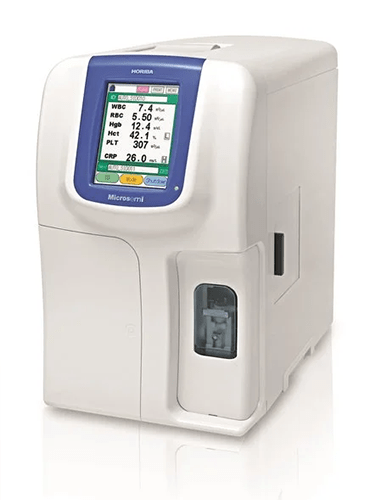
1. Automated Clinical Analyzers
Automation is no longer a luxury—it’s the backbone of modern diagnostics.
Automated analyzers dramatically reduce manual processes, improve precision, and increase testing throughput.
Why labs need it:
Higher accuracy with minimal human error
Faster turnaround time
Consistent results across large volumes
Improved operational efficiency
From biochemical analyzers to immunoassay systems, automation keeps labs running smoothly even during peak workloads.
2. Molecular Diagnostics Platforms
With the rise of infectious diseases and the need for early detection, molecular diagnostics has become indispensable.
Key applications:
PCR and RT-PCR testing
Detection of viral, bacterial, and genetic markers
Oncology and personalized medicine
Disease risk profiling
Modern PCR systems offer rapid, high-sensitivity results, making them essential for preventive healthcare and advanced diagnostics.
3. Digital Pathology Solutions
The shift from traditional microscopy to digital scanning is transforming pathology workflows.
Benefits of digital pathology:
Instant slide sharing for remote consultation
AI-powered pattern recognition
Accurate quantitative analysis
Better documentation and storage
Digital pathology accelerates diagnosis and brings consistency to interpretations, especially in complex cases.
4. Point-of-Care (PoC) Diagnostic Devices
Speed matters. PoC devices provide quick, accurate results right at the patient’s side or within decentralized facilities.
These devices are crucial for:
Emergency care
Rural/remote testing
Home-based patient monitoring
Chronic disease management
Modern laboratories incorporate PoC tools as part of an extended diagnostic ecosystem to boost accessibility.
5. Laboratory Information Management Systems (LIMS)
A smart LIMS is the digital brain of the lab. It integrates equipment, patient data, and reports into one seamless workflow.
What a modern LIMS offers:
Automated report generation
Sample tracking and audit trails
Real-time lab performance dashboards
Better compliance with quality standards
A modern lab cannot scale without strong digital infrastructure—and LIMS is at the heart of it.
6. AI & Machine Learning in Diagnostics
AI isn’t the future anymore—it’s already here.
From analyzing X-rays to predicting test abnormalities, AI tools dramatically improve decision-making.
Where AI excels:
Image interpretation (radiology, pathology)
Predictive diagnostics
Anomaly detection
Workflow optimization
AI empowers labs to deliver faster, more precise, data-driven insights.
7. Advanced Imaging Technologies
Modern diagnostics depend heavily on high-resolution imaging.
Key systems include:
Digital X-ray
CT scans
MRI
Ultrasound with AI assistance
These technologies help clinicians diagnose faster and with greater clarity, especially in oncology, orthopedics, neurology, and cardiology.
8. High-Throughput Sequencing (NGS)
Genomics is redefining medicine. Next-generation sequencing unlocks powerful insights into DNA and RNA.
NGS is essential for:
Cancer profiling
Inherited disease diagnosis
Prenatal screening
Precision medicine programs
Though once costly, NGS is becoming more affordable and accessible for mid-sized labs.
9. Quality Control & Calibration Systems
Accuracy is non-negotiable. Automated QC systems ensure continuous reliability in every test cycle.
They provide:
Real-time quality checks
Error tracking
Calibration alerts
Continuous compliance monitoring
This keeps labs aligned with accreditation standards and prevents diagnostic errors.
Final Thoughts
Modern laboratories aren’t just testing centers—they’re intelligent, data-driven ecosystems.
Adopting these technologies equips labs to deliver faster results, enhance accuracy, improve patient outcomes, and stay competitive in a rapidly evolving healthcare landscape.
Whether you’re upgrading an existing facility or building a new one, these innovations form the core of a future-ready diagnostic laboratory.
- Recent Post